Why book a surf camp in Thailand?
A surf camp in Thailand is the ultimate choice if you want to experience the warm-water energy of Southeast Asia’s most unexpected surf destination. While Thailand is famous for its temples, beaches, and world-class street food, its western Andaman coast — especially the island of Phuket — has become a popular destination for tropical surfing. It attracts travelers who want to learn in a relaxed, budget-friendly environment away from the crowds and pressure of more established surf destinations.
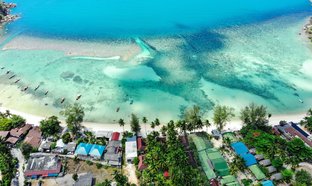
The orientation of Thailand’s west coast makes it easier to find safe, mellow waves suited to different skill levels. You can experience the island’s growing surf culture at Kata Beach, where long, gentle sandbars provide an ideal setting for building confidence and learning the fundamentals of surfing.
Thai surf camps are designed around different ways to enjoy island life. Choose social, affordable, and active stays at beachfront surf hostels or boutique surf lodges ideal for solo travelers. Alternatively, opt for premium resort-style packages that combine surf coaching with activities such as scuba diving, freediving, or wellness experiences. Whether you are learning your first pop-up in the white water or improving your skills while enjoying tropical surroundings, Thailand offers a fun, accessible, and culturally rich surf experience.
What to expect from a typical camp
-
Early morning dawn patrols walking straight onto powdery white sands, tracking down glassy sunrise peaks before the afternoon onshore monsoon breezes kick up
-
Daily sandbar safaris led by highly patient, expert local coaches who know exactly which beach break or tidal phase will offer the most forgiving, long-riding waves for your exact level
-
Blunt, highly tactical video analysis sessions back at the camp to visually break down your paddle mechanics, pop-up speed, and stance positioning
-
Incredible regional fuel—think steaming bowls of authentic Pad Thai, spicy Tom Yum soup, fresh mango sticky rice, and ice-cold king coconuts engineered to sustain you through multi-session days
-
Cross-training and lifestyle side-quests, including restorative open-air yoga flows to stretch out tight shoulders, stand-up paddleboarding (SUP) through coastal mangroves, or Muay Thai kickboxing sessions
-
Laid-back afternoon downtime for cracking an ice-cold Chang or Singha beer, indulging in a traditional Thai massage right on the sand, or swapping stories with a global crew of travelers
-
A sun-aligned, high-vibe rhythm that effortlessly shifts from intense daytime water sessions to legendary beachside sunset hangs and night market food tours
Best time to visit and swell seasons
Thailand is a magnificent tropical destination year-round, but the surf scene is entirely dictated by the seasonal monsoon shifts.
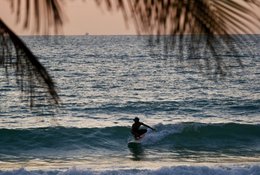
The Monsoon and Green Season (May to October) is the undisputed prime time for surfing in Thailand. This is when the southwest monsoon shifts direction, sending consistent, fun-sized wind swells and long-range groundswells from the Indian Ocean straight into Phuket’s western coastline. Waves generally average around one meter—ideal for beginners and intermediates—and the beaches are beautifully uncrowded compared to the peak winter tourist rush. September and October frequently deliver the cleanest, largest swell windows.
If you are looking for flat, crystalline waters for stand-up paddleboarding, snorkeling, or island-hopping, the Dry and Peak Season (November to April) is your window. During these months, the wind shifts to the northeast, turning the Andaman Sea into a calm, glass-flat swimming pool. While standard surfing wraps up, it is a spectacular time for absolute beginners to practice basic board-handling and paddle mechanics in warm, pristine water.


 Thailand








 Poland
 Italy
 United Kingdom